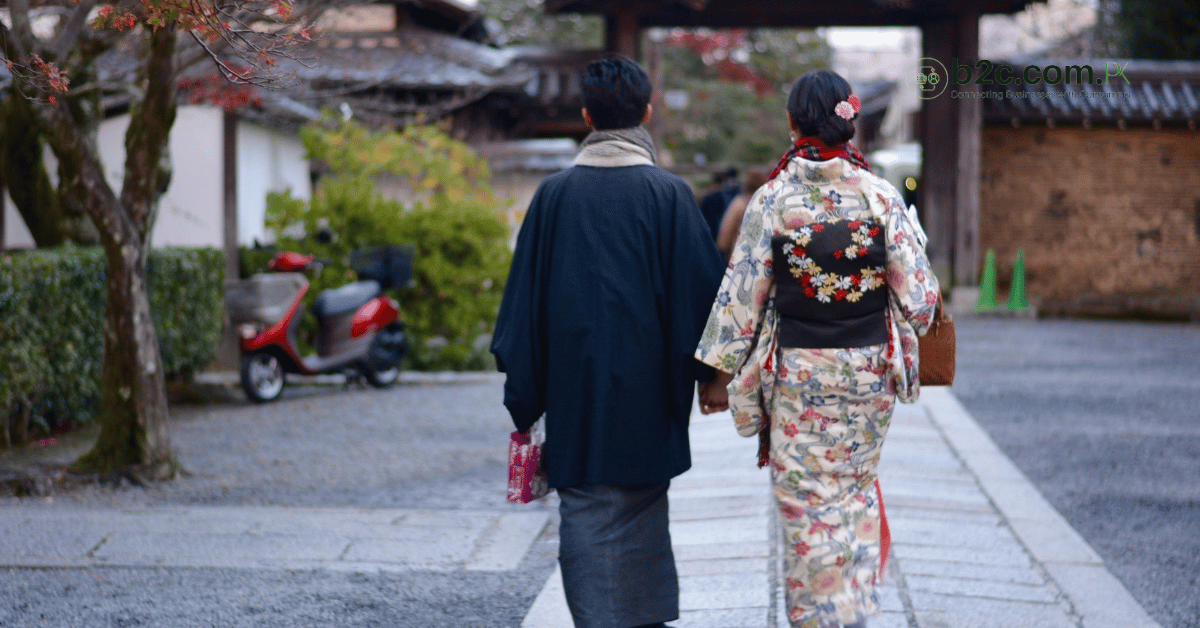
Around the world, people dream of living a long, healthy, and peaceful life. But Japan is one of the few countries where thousands of people naturally live beyond 90, 100, and even 110 years. So what exactly makes the Japanese lifestyle so unique And how do their habits contribute to such impressive longevity
In this article, we explore the science behind their long life and connect it with timeless Islamic principles that promote balance, health, and discipline.
1. A Strong Sense of Purpose Ikigai and the Islamic Concept of Intention
One of Japans most powerful traditions is Ikigai which means having a clear reason to wake up every day. It gives people direction, motivation, and emotional stability.
Islam also teaches the importance of pure and meaningful intentions. The Prophet Muhammad said:
Actions are judged by intentions
A purposeful life creates mental strength, emotional clarity, and long term well being. Japanese people follow Ikigai with commitment, while Islam teaches the importance of living with sincere goals and meaningful intentions.
2. Simple and Clean Diet Similar to the Sunnah Lifestyle
The Japanese diet is globally recognized for promoting longevity. It includes
- Fresh vegetables
- Fish
- Low fat foods
- Low salt
- Steamed and boiled meals
This clean and balanced way of eating is very close to Islamic dietary teachings. The Prophet Muhammad encouraged moderation and discouraged overeating.
A light and wholesome diet helps prevent heart disease, diabetes, and obesity. This is one of the strongest reasons behind the long and healthy lives of Japanese communities.
3. The 80 Percent Rule Hara Hachi Bu and the Sunnah of Moderation
In Okinawa and other Japanese regions, people follow Hara Hachi Bu which means eat until you are 80 percent full.
Islam teaches a similar principle
One third food, one third water, and one third space for breathing.
This simple discipline helps prevent weight gain, improves digestion, and lowers the risk of chronic diseases. When people eat less, their bodies stay energetic, active, and healthier for a longer period of time.
4. Daily Movement The Secret Behind Their Active Lifestyle
Japanese people walk a lot, usually between 8,000 and 12,000 steps a day. Walking is part of their culture. They walk to school, work, markets, and even during leisure time.
Walking keeps the heart healthy, strengthens the muscles, improves mood, and increases life expectancy.
Islam has also emphasized physical activity and movement. A healthy body is a blessing, and regular walking helps maintain physical strength and mental calmness.
5. Mental Peace Discipline and Clean Environments
Japan is known for its discipline, cleanliness, and a peaceful social environment. Their streets are quiet, homes are clean, and people maintain order in daily life.
A calm mind reduces stress, which directly increases lifespan.
Islam teaches that true peace of heart comes from the remembrance of Allah. When the heart is calm, a person stays healthier and happier.
6. Strong Social Connections The Power of Community
One of the most surprising factors behind the longevity of the Japanese people especially in Okinawa is their social bonding. They live in close groups, support one another, and stay socially active throughout their lives.
Islam also teaches the importance of community, unity, and helping others. Being socially connected makes people emotionally stronger and mentally healthier.
- Loneliness creates stress
- Community creates healing
This is why Japanese elders remain mentally strong, active, and emotionally stable even at an old age.
7. Cleanliness as a Lifestyle
Cleanliness is part of the Japanese identity. Their homes, schools, streets, and workspaces are kept in order and free from clutter.
Islam says
Cleanliness is half of faith
Clean surroundings reduce diseases, improve mental health, and promote physical well being which ultimately contributes to a longer life.
Final Thoughts
The long life of the Japanese people is not a mystery. It is the result of simple yet powerful habits
- Living with purpose
- Eating clean food
- Practicing moderation
- Staying physically active
- Keeping the mind calm
- Building strong social ties
- Maintaining cleanliness
These are the same principles Islam taught more than 1400 years ago. The Japanese implemented them with consistency and discipline and their society enjoys the benefits today.
If we adopt even half of these habits in our lives we can build a healthier, happier, and longer living community.